siclick33 wrote: ↑Sat Apr 16, 2022 11:59 pm
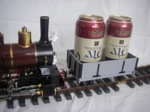
I have also bought a load of stuff shown in the photo below. How would you prep the brass before painting with Scalecoat 1? Would you use the etch primer can, Scalecoat primer, or no primer? Would you do the vinegar soak, clean with Isopropyl alcohol or Comet (and is that the correct Comet that I have bought)?
No idea what 'Comet' is, but the label says bleach, which isn't what you need.
I haven't used Scalecoat for at least 4 decades, so no idea what it is like these days. Back then it was a lacquer similar to Floquil........
Anyway, my procedure for painting brass parts is as follows :-
- As soon as parts are soldered, I give them a good scrub with an old toothbrush and Ajax Creme Cleanser. The brand doesn't matter, but creme cleanser has a mild abrasive, as well as a detergent in the formula, so it neutralises flux residues and also cleans off oils, greases and surface corrosion. Parts built up from many parts should be cleaned after each soldering session. If you don't get all the flux removed, it will continue to cause corrosion under the paint.
- I use a local brand of etch primer, black where the loco will be all over black, grey on parts where it will be green, red, etc.
- I use Revell enamels and a local brand of spraying enamel for the top coat on my models. Roundhouse told me they use two pack acrylic lacquer (car paint) on their factory built models.
The water based acrylic paints sold in hobby shops are not heat resistant and using them on locos will only lead to tears and bad language. In the case of Scalecoat1, I'd suggest doing some tests before committing to it on a live steam model.
You need a paint that won't soften, or change colour, when exposed to heat. The smokebox of a gas fired loco can get up to temperatures over 150degC, the boiler temp at 40psi is 140degC. and cylinders will be over 100degC. Some people use 'pot belly black' stove paint on smokeboxes, although I find it a bit shiny and far too black for my taste. A good quality enamel paint can usually tolerate the temperatures found in our size of live steam locos. The local speed shops that cater to the petrol heads have heat resistant paint for brakes, motors, etc., but the colour range is generally limited.
On a related note, I have used cheap asian compressors, but found they run hot and wear out quickly when painting large scale models. I now use a small diaphragm type workshop compressor, rated at 1hp and 40lpm free air flow, which actually cost less than the hobby grade compressor it replaced.
Graeme





 The 'steps' are extremely weak and bendy though; I'm going to add some step detail, not just for cosmetics but also because I know I will accidentally snap them off pretty quickly if I leave them as they are.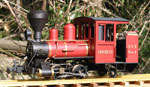
 If you don't go through all of this hassle then the roof sits quite high, as shown on a photo I found on the internet.